Tours where you can spot this bird
No tours linked yet.

Strix aluco
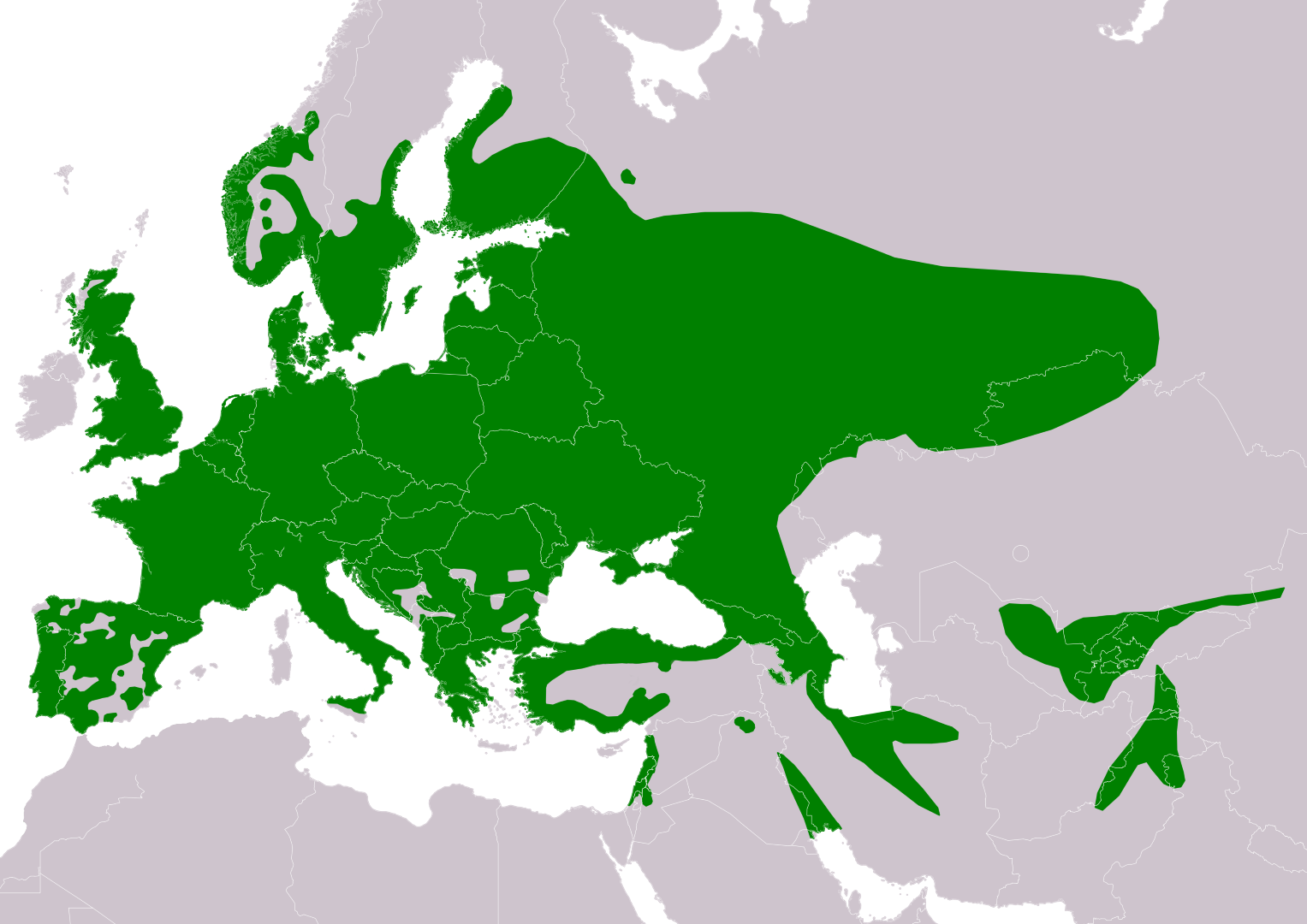
The Tawny Owl (Strix aluco) is a medium-sized owl with a rounded body and a large, rounded head. It has a mottled brown plumage that provides excellent camouflage in woodland habitats. Tawny Owls are known for their distinctive 'tu-whit, tu-whoo' call, which is often heard at night. They are nocturnal hunters, preying on small mammals, birds, and insects. Tawny Owls are commonly found in forests, woodlands, and parks across Europe and Asia. They nest in tree cavities and are known for their adaptability to urban environments. Despite facing threats from habitat loss and collisions with vehicles, the Tawny Owl population is considered stable, and they are classified as Least Concern by the IUCN.
Habitat: Woodlands, forests, parks
No tours linked yet.