
Quebec in Fall: Birds & Whales
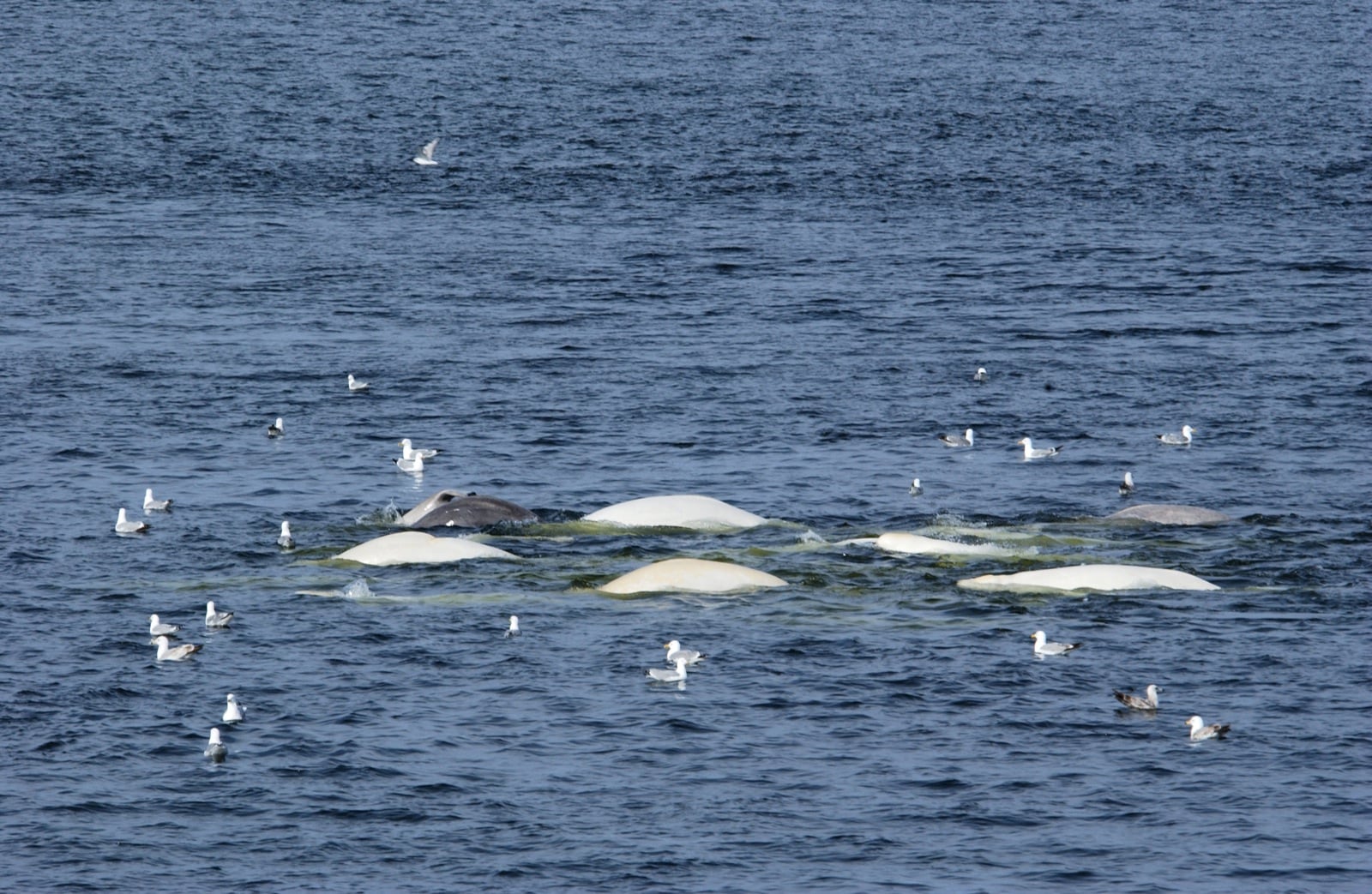
Join us on a Quebec birding tour in the fall. We will visit Cap Tourmente National Wildlife Area. At Tadoussac, we head out on the St. Lawrence in search of whales such as Humpback, Minke, Fin and especially Beluga.






About this tour
Fall is a fine time of year for birding and whale-watching in la Belle Province, Quebec!
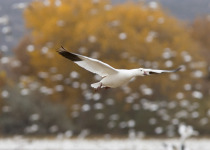
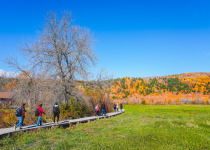
Our Quebec tour begins in the provincial capital Quebec City, from which we explore Léon Provancher Marsh to get a first taste of Quebec birding. Heading east, we stop at the famed Cap Tourmente National Wildlife Area to explore the varied habitats and see migrating snow geese. We visit the shores of the mighty St. Lawrence with the beautiful fall scenery of the Charlevoix region.
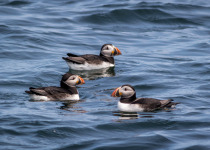
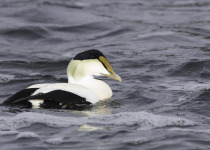
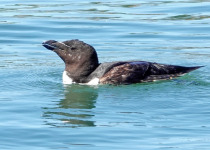
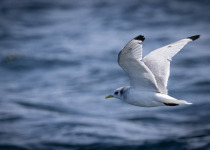
At Tadoussac, we head out on the St. Lawrence in search of whales such as Humpback, Minke, Fin and especially Beluga. We take the ferry across the St. Lawrence, looking for pelagic birds such as Razorbill, Northern Gannet, Common Eider, jaegers and kittiwakes. On the south shore we visit Parc Côtier Kiskotuk to search for waterfowl and shorebirds. Making our way back along the south shore of the St. Lawrence we visit several choice spots for more Snow Geese and other waterfowl, ending back in Quebec City.
Itinerary ▼
Québec City, a World Heritage City, is the beautiful capital of the province of Québec, situated on the St. Lawrence River. It will be our base for the start of our Quebec birding and whale tour. We will meet for dinner to discuss our upcoming birding adventure. Night in Quebec City, near the airport.
We encourage you to arrive a day prior to the tour, to enjoy Old Quebec City on your own.
We begin our day with a stop at Domaine Maizerets, the best hotspot in Quebec city. We will then move towards Beauport Bay, a globally significant International Bird Area where we'll scan the tidal mudflats for waterfowl and shorebirds. Night in Quebec City.
We will head to Cap Tourmente National Wildlife Area early in the morning, where we will explore the varied habitats of this important refuge; mixed-wood forests, ponds, fields, marshes (fresh and saltwater), and the St. Lawrence River. We will start our visit with a stop at the banding station for a unique opportunity to see from up close very small passerines. We will also spend time looking at migrating waterfowl including snow geese. Depending on the winds there is a chance for songbird and raptor migration as well. We then continue northeast along the scenic shoreline of the St. Lawrence River to Baie St. Paul. Night in Baie-Saint-Paul.
The area around Baie-Saint-Paul is very good during migration. Here, we will look for seabirds, waterfowl, shorebirds, and passerines.
In the afternoon, we will explore the stunning coastal road between Baie-Saint-Paul and Tadoussac, stopping along the shore to look for migrant shorebirds and passerines. Just before crossing the Saguenay Fjord with the ferry, we will stop at the Pointe-Noire Interpretation and Observation Centre for good odds at seeing various marine mammals like Harbour Seals, Gray Seals and Beluga Whales. Night in Tadoussac.
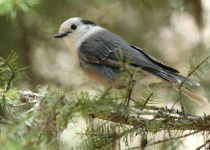
We’ll spend the next three days in the Tadoussac area. We will start our day at the Tadoussac Dunes, a part of Saguenay Fjord National Park that overlooks the St. Lawrence river and is home to the Tadoussac Bird Observatory. Boreal forest predominates here, with migrant landbirds scattered among the residents. Species lists change each day, but we’ll hope for Gray-cheeked Thrush, Fox Sparrow, Canada Jay, American Pipit, and boreal finches.
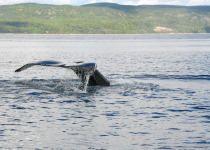
We will explore the mythical Tadoussac village where vagrants always seem to get caught! The same day, we will go on a whale-watching tour (weather permitting) in the Laurentian Channel offshore of the mouth of the Saguenay Fjord, one of Canada’s premier whale-watching sites. Minke and Fin Whales are the main feature of these whale-watching cruises and resident Beluga Whales are often seen. With luck, a Blue Whale, a Humpback Whale or a pod of White-sided Dolphins could also be seen. The conditions that attract whales are also good for pelagic birds, so we will keep an eye out. Night in Tadoussac.
In the morning, we will go on a pelagic birds tour where there should be numerous Black-legged Kittiwakes, and we’ll watch for harassing jaegers. We will observe Razorbills and Black Guillemots from close-up and always have a chance at finding a rare gull or a group of phalaropes. Once we are back on land, we will visit the greatest gull birding spot, the Escoumins bay where Bonaparte's gull can be seen by hundreds on good tides. We will make our way back to Tadoussac with lunch at the most beautiful landscape place in Bergeronnes. We will continue our way on a multi-habitat road that goes from pure boreal forest to blueberry fields, farmlands and lakes. Night in Tadoussac.
A short drive away from Tadoussac will bring us to the biggest salt marsh in the area where we will spend the day in surrounding habitats looking for any possible birds, but especially for shorebirds. We will visit many points like Émile's Point, Fortin Point and Portneuf-at-sea sand bank. A sea-side type of day where we can taste the edible plants that grow on the shore while scoping shorebirds and watching for seabirds. Back in Tadoussac in the evening, we would go for an owl-banding demonstration. Night in Tadoussac
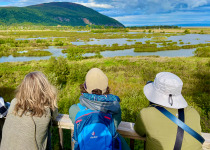
This morning we will visit the Tadoussac Dunes - an excellent site for bird and raptor migration. We will then cross the St. Lawrence on a commercial ferry, across the estuary, home of whales, porpoises, seals and a good opportunity for more pelagic birds. Once on the south side, we’ll explore the extensive salt marshes of Parc Côtier Kiskotuk, including the famed Gros-Cacouna Marsh, where there will be a mix of migrant waterfowl and shorebirds, and possibly an elusive Nelson’s Sparrow. Night in Rivière-du-Loup.
We’ll spend the day investigating the south shoreline of the St. Lawrence River, beginning with Littoral de Saint Germaine and other potential spots including Kamouraska and Montmagny, where we’ll look for migrating shorebirds and waterfowl. We’ll check flocks of Black-bellied Plover for possible American Golden-Plover, and listen for Horned Larks among the landbirds. These areas are also good for birds of prey, including the occasional Golden Eagle, and the salt marshes also harbour some marsh birds, particularly Marsh Wrens and Swamp Sparrows. This is a coastal region of the Saint-Lawrence where Harbour Seals and Belugas are also seen. Night in Québec City.
Our Quebec birding and whale tour ends today. Breakfast is available at the hotel, but you can leave anytime. You may have a chance to experience a little more of Québec City before reluctantly heading home.
Availability & pricing
Included
- All accommodation (Good quality)
- All meals and soft drinks
- Two whale-watching boat trips into the St. Lawrence River
- Ferry crossing across the St. Lawrence
- Guides (4 - 8 participants with one leader, 9 - 12 with two)
- Ground transportation (One or two 15-passenger vans)
- Park and entrance fees
Not included
- Travel to and from start/end location
- Travel Insurance
- Items of a personal nature
- Alcoholic beverages
- Taxes (5% GST)