
Lake Baringo
Lake Baringo is named after the local word “Mparingo” , meaning lake. The lake is located in the Eastern Rift Valley in Kenya and is one of the seven inland drainage lakes within the Rift Valley drainage basin. The lake has a surface area of about 130 kilometers square (50 square miles) and drains a total area of 6,820 kilometers square
About this tour
Lake Baringo is named after the local word “Mparingo” , meaning lake. The lake is located in the Eastern Rift Valley in Kenya and is one of the seven inland drainage lakes within the Rift Valley drainage basin. The lake has a surface area of about 130 kilometers square (50 square miles) and drains a total area of 6,820 kilometers square
Lake Baringo is named after the local word “Mparingo” , meaning lake. The lake is located in the Eastern Great Rift Valley in Kenya and is one of the seven inland drainage lakes within the Rift Valley drainage basin. The lake has a surface area of about 130 square kilometers (50 square miles) and drains a total area of 6,820 square kilometers. The lake is located in the county of Baringo at an altitude of 1,000 meters above sea level, while its basin extends to the neighboring districts of Koibatek, Laikipia , and Nakuru . Lake Baringo has seven islands, namely Lokoros , Rongena, Lengai , Samatian, Olkokwa, Parmolos, and Devil’s Island , the largest of which is called Olkokwe. In the Ilchamus language, Olkokwe means a meeting place. To the east of the Lake is the Laikipia escarpment and to the west rises the dramatic Tugen Hills . Several seasonal rivers drain into the lake, including Ol Arabel , Mukutan , Tangulbei, Endao, and Chemeron . Perkerra and Molo are perennial rivers originating from Mau Escarpment and Tugen hills; although with significantly reduced water discharges during dry seasons. Lake Baringo experiences very high annual evaporation rates of 1,650-2,300 millimeters, compared to an annual rainfall of 450-900 millimeters. Thus, its survival depends on the inflows from rivers originating from the humid hill slopes of the drainage basin, where the annual rainfall varies between 1,100 and 2,700 millimeters. Word has it that the abundance of fish has supported the crocodile population so that the reptiles have shown no interest in humans and other mammals. The lake also provides invaluable habitat for seven freshwater fish species, with the Nile Tilapia endemic to Lake Baringo.
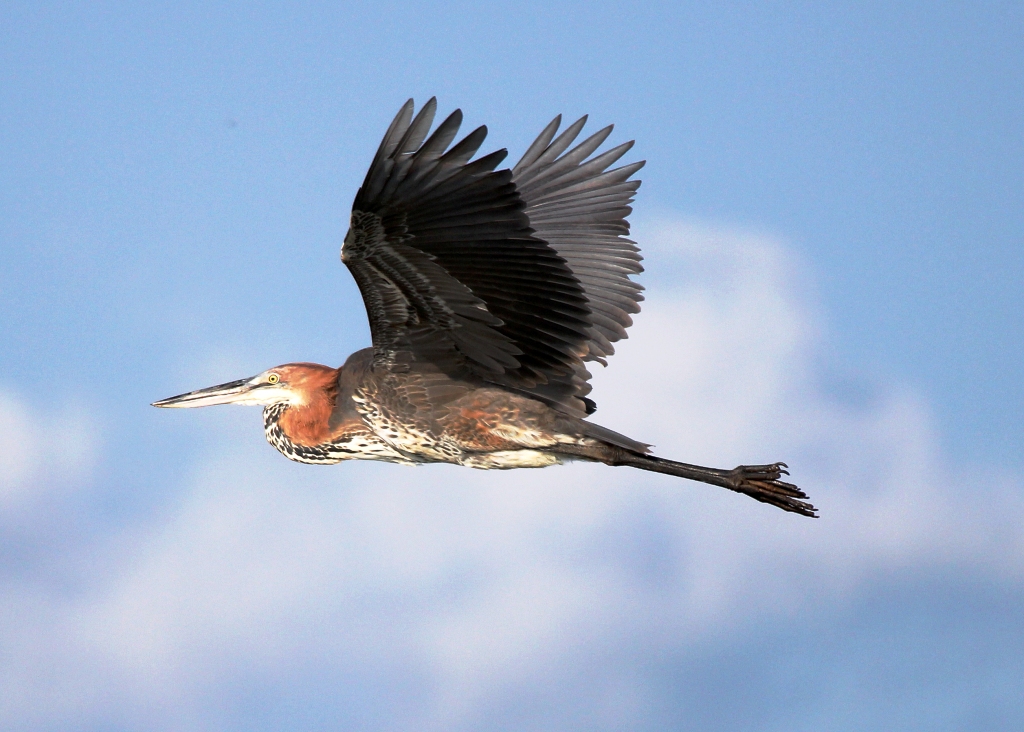
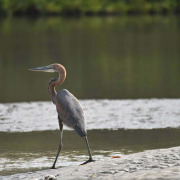
More than 400 bird species have been recorded in Lake Baringo, on a good day birding tour it’s possible to see over 200 species. Birdwatching in Lake Baringo is superb throughout the year, birding is productive when done early morning and late afternoon due to the high temperatures experienced in the area.
Bird species in Lake Baringo ; Common Ostrich, Knob-billed Duck, Stone Partridge, Great Crested Grebe, African Mourning Dove, Laughing Dove, Lichtenstein’s Sandgrouse, Buff-crested Bustard, Jacobin Cuckoo, Great-spotted Cuckoo, White-crested Turaco, Star -spotted Nightjar, Slender-tailed Nightjar, Allen’s Gallinule, Senegal Thick-knee, Heuglin’s Courser, African Skimmer, Dwarf Bittern, White-backed Night Heron, African Darter, Verreaux’s Eagle, Dark Chanting Goshawk, Pearl-spotted Owlet, African Scops Owl, Northern White-faced Scops Owl, Greyish Eagle Owl, Abyssinian Ground Hornbill, Jackson’s Hornbill, Red, and Yellow Barbet, Abyssinian Roller, African Pygmy Roller, Pygmy Batis, White Helmetshrike, Brubru, Somali Fiscal, White-necked Raven, Beautiful Sunbird, Shining Sunbird, White-billed Buffalo Weaver, Northern Red Bishop, Northern Masked Weaver, Somali Tit, Mouse-coloured Penduline Tit, Northern Crombec, Somali Crombec .
Birds you can spot
Itinerary ▼
Lake Baringo is named after the local word “Mparingo” , meaning lake. The lake is located in the Eastern Rift Valley in Kenya and is one of the seven inland drainage lakes within the Rift Valley drainage basin. The lake has a surface area of about 130 kilometers square (50 square miles) and drains a total area of 6,820 kilometers square Lake Baringo is named after the local word “Mparingo” , meaning lake. The lake is located in the Eastern Great Rift Valley in Kenya and is one of the seven inland drainage lakes within the Rift Valley drainage basin. The lake has a surface area of about 130 square kilometers (50 square miles) and drains a total area of 6,820 square kilometers. The lake is located in the county of Baringo at an altitude of 1,000 meters above sea level, while its basin extends to the neighboring districts of Koibatek, Laikipia , and Nakuru . Lake Baringo has seven islands, namely Lokoros , Rongena, Lengai , Samatian, Olkokwa, Parmolos, and Devil’s Island , the largest of which is called Olkokwe. In the Ilchamus language, Olkokwe means a meeting place. To the east of the Lake is the Laikipia escarpment and to the west rises the dramatic Tugen Hills . Several seasonal rivers drain into the lake, including Ol Arabel , Mukutan , Tangulbei, Endao, and Chemeron . Perkerra and Molo are perennial rivers originating from Mau Escarpment and Tugen hills; although with significantly reduced water discharges during dry seasons. Lake Baringo experiences very high annual evaporation rates of 1,650-2,300 millimeters, compared to an annual rainfall of 450-900 millimeters. Thus, its survival depends on the inflows from rivers originating from the humid hill slopes of the drainage basin, where the annual rainfall varies between 1,100 and 2,700 millimeters. Word has it that the abundance of fish has supported the crocodile population so that the reptiles have shown no interest in humans and other mammals. The lake also provides invaluable habitat for seven freshwater fish species, with the Nile Tilapia endemic to Lake Baringo. More than 400 bird species have been recorded in Lake Baringo, on a good day birding tour it’s possible to see over 200 species. Birdwatching i
Locations & map
- Lake Baringo - Kenya (Primary map point for this public tour page; exact route is confirmed with the partner.)
Transport & stays
- Tour vehicle / transfers as quoted Vehicle, pickup and transfer arrangements must be confirmed for the selected itinerary. | Meet: Nairobi or agreed point | Pickup: On request
Policies & FAQ
Are dates and prices fixed?
Unless a current departure is confirmed in writing, dates, group size and price are provided on request by ConQuest Adventures through BirdWatch.
Are target birds guaranteed?
No. The itinerary focuses on suitable habitats and target species, but sightings depend on season and field conditions.