
South Texas
February is a fine time to be in south Texas. Join us on our South Texas birding tour as we look for Whooping Cranes, and southern Texas specialties, found nowhere else in the US. We will visit excellent reserves and birding areas.





About this tour
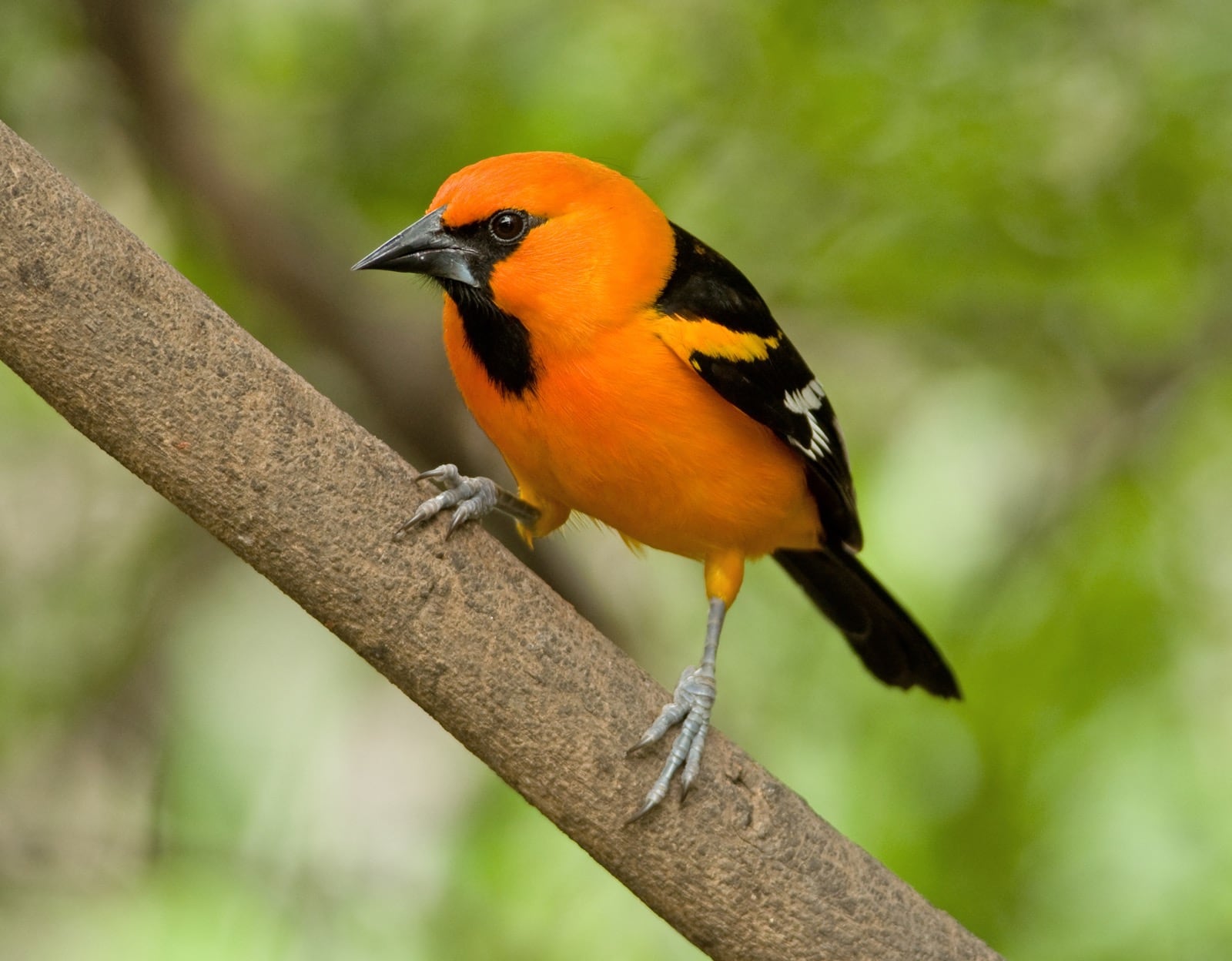
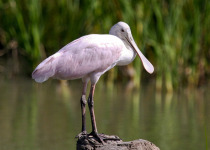
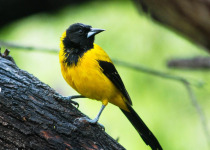
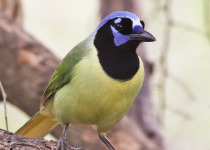
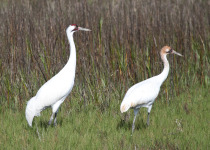
Winter is a fine time for a birding tour in south Texas. Resident species are starting to nest, and some choice species are here before setting off for the north. Wading birds along the coastal lagoons will include Whooping Cranes alongside stunning Roseate Spoonbills and Reddish Egrets. There are the southern Texas specialties – Tropical Parula, Green Jay, Clay-colored Robin, Altamira and Audubon’s Orioles, Buff-bellied Hummingbird and Hook-billed Kite, and we look for Brown Jay and Morelet’s Seedeater up the valley, and Aplomado Falcon towards South Padre Island.
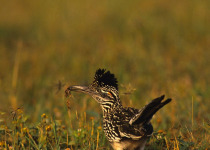
Our route will take us from Corpus Christi to Rockport, then down to the Rio Grande Valley where we will explore the sub-tropical preserves of Sable Palms Frontera Audubon Thicket, Bentsen State Park and superb Santa Ana NWR, and then up the valley to the riparian zone sanctuaries of Salineño, Chapeno, and the Chihuahuan Desert habitat of Falcon State Park, the later location being an excellent location for arid country species like Vermillion Flycatcher, Greater Roadrunner and Black-throated Sparrow.
You can combine this tour with our Arizona in winter birding tour.
Read our trip reports and see checklists below.
Itinerary ▼
Our South Texas birding tour begins when we meet to go to dinner together in the hotel lobby at 6:30 p.m. (participants arriving early can enjoy a walk down the beach). Night in Corpus Christi.
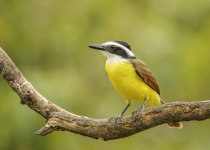
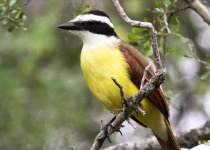
After breakfast, we will bird around Corpus Christi and will work our way north towards Rockport. We’ll start out at Hazel Bazemore Park, an excellent first taste of south Texas with good numbers of wintering raptors and songbirds, andwe should start seeing our first subtropical Mexican species like Great Kiskadee and Olive Sparrow. Both Goose Island State Park and the peninsula on the north side of Copano Bay have a wide diversity of coastal habitats in close proximity, making possible an impressive array of ducks and waders and we will have our first introduction to shorebirds such as American Oystercatcher, American Avocet, Black-necked Stilt and Piping Plover. Goose Island is also the home of a huge live oak known simply as “the Big Tree" and we have a good chance of finding Whooping Cranes here. Our tally at day’s end will be impressive. Night in Rockport/Fulton.
After breakfast we head for the docks in Rockport where we take a boat trip along the shallow Intracoastal Waterway, encountering a wealth of coastal species, from Brown and White Pelicans and Black Skimmers to Roseate Spoonbills, herons and egrets including Tricolored Heron, Little Blue Heron and Reddish Egret. There should be several family groups of Whooping Cranes present, and we will take our time admiring this impressive bird. After lunch we leave Rockport and set off for the lower Rio Grande valley, passing through the King Ranch and keeping an eye out for interesting raptors like Harris Hawk and White-tailed Kite as well as for flocks of Snow and Rosss Geese. Night in Brownsville.
Today we drive east to Port Isabel and South Padre Island. Our main target species here is Aplomado Falcon, and we have a good chance of finding this exquisite raptor. We should also encounter several species of terns, egrets and other waterbirds such as Mottled Duck, Least Grebe, and Sora & Clapper Rails. We then visit night-time roosts for several species of parrots, including Red-crowned Parrots and Green Parakeets, both AOU “countables”. Night in Brownsville.
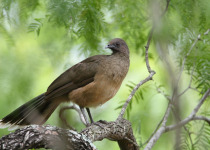
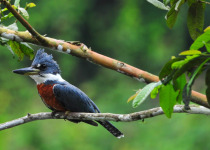
We spend these three days in the Lower Rio Grande valley, visiting a wealth of superb wildlife sites. Sabal Palm Sanctuary, the southernmost point in Texas, is a unique sanctuary in that it is a remnant of the last standing Sabal Palm forest. Here we have a good chance for Buff-bellied Hummingbird, Plain Chachalaca, and Least Grebe and possible rarities such as Gray-crowned Yellowthroat. Weslaco’s Frontera Audubon Thicket frequently has exciting overwintering species like Golden-crowned Warbler or even on rare occasions Crimson-collared Grosbeak. We will be spending some time exploring the fabulous Estero Llano State Park. This will probably be our best chance for seeing Buff-bellied Hummingbird and Clay-colored Robin as well as rarities seen in recent years on this tour include great looks at Tropical Parula and Rose-throated Becard! Santa Ana NWR with its unique blend of habitats always lends itself to exceptional birding. Altamira Oriole and Northern Beardless Tyrannulet occur here, Ringed and Green Kingfishers are possible, many waterbirds and ducks inhabit Willow Lake, and there is a good chance of Hook-billed Kite or some even rarer species. The famed Bentsen-Rio Grande State Park is an excellent location to see Plain Chachalaca, White-tipped Dove, Clay-colored Robin and many other Rio Grande specialties. Bentsen is well known for the occurrence of rarities like Blue Bunting and Gray Hawk, and a night-time visit could turn up Common Pauraque. Should we hear of any rare “South Texas Specialties” in the area, then we will adjust our itinerary accordingly. We have an option of visiting the Brownsville dump to look for Tamaulipas Crow, should there be reports that the crows are still present (absent in 2014 and 2015). Nights in McAllen/Mission.
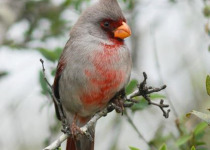
We leave the McAllen/Mission area early and will first head for Salineno. This small patch of riparian habitat managed by the USFWS is one of the birdiest places we’ll visit on this tour, with great photographic opportunites at the feeding station . Some of the specialties here include Ringed Kingfisher, Zone-tailed Hawk and Audubon’s Oriole and rarities like Morelet’s Seedeater (formerly known as White-collared), Red-billed Pigeon and Muscovy Duck. Some winters Brown Jay will appear, having become incredibly scarce in its restricted U.S. range. After a delightful morning at Salineno, we’ll head up into Falcon State Park try to find dry-country species such as Greater Roadrunner, Cactus Wren, Pyrrhuloxia and various species of desert-loving sparrows. We then drive back to McAllen. Night in McAllen/Mission.
Our South Texas birding tour concludes in McAllen. Breakfast is available, but you can depart anytime today for flights home. Alternatively, you can get a ride back to Corpus Christi, arriving there mid-day.
Locations & map
Open in MapsAvailability & pricing
Included
- All accommodation (Good, comfortable)
- All meals & soft drinks
- Ground transportation (15-passenger vans)
- Half-day boat ride in intercoastal water
- All park, conservation and entrance fees
- 4 - 8 participants with one leader, 9 - 12 participants with two leaders
Not included
- Flights to and from start/ end location
- Travel Insurance
- Items of a personal nature
- Alcoholic beverages