
Best of Uttarakhand and the Himalayas
Some fantastic birding awaits with the best of Indian Himalayan scenery within easy reach of Delhi. This 3-week birding trip uses the extra time to go beyond the classic and well-established sites and higher up into the mountains, for an unrivalled Himalayan experience and several special birds wort…


About this tour
Some fantastic birding awaits with the best of Indian Himalayan scenery within easy reach of Delhi. This 3-week birding trip uses the extra time to go beyond the classic and well-established sites and higher up into the mountains, for an unrivalled Himalayan experience and several special birds worth the extra effort.
Starting from Delhi we should have time for some initial local birding at for example Surajpur, an unprotected area of shallow wetlands, reedbeds and grassland patches, where we could encounter Bengal Bushlark, Striated Grassbird, and Black-breasted Weaver, amongst many more regular north Indian birds. The very promising 3,000 acre Haiderpur wetland is seldom-visited but provides superb birding, with a chance of Indian Skimmer, and we will visit en route to our stay at Corbett National Park.
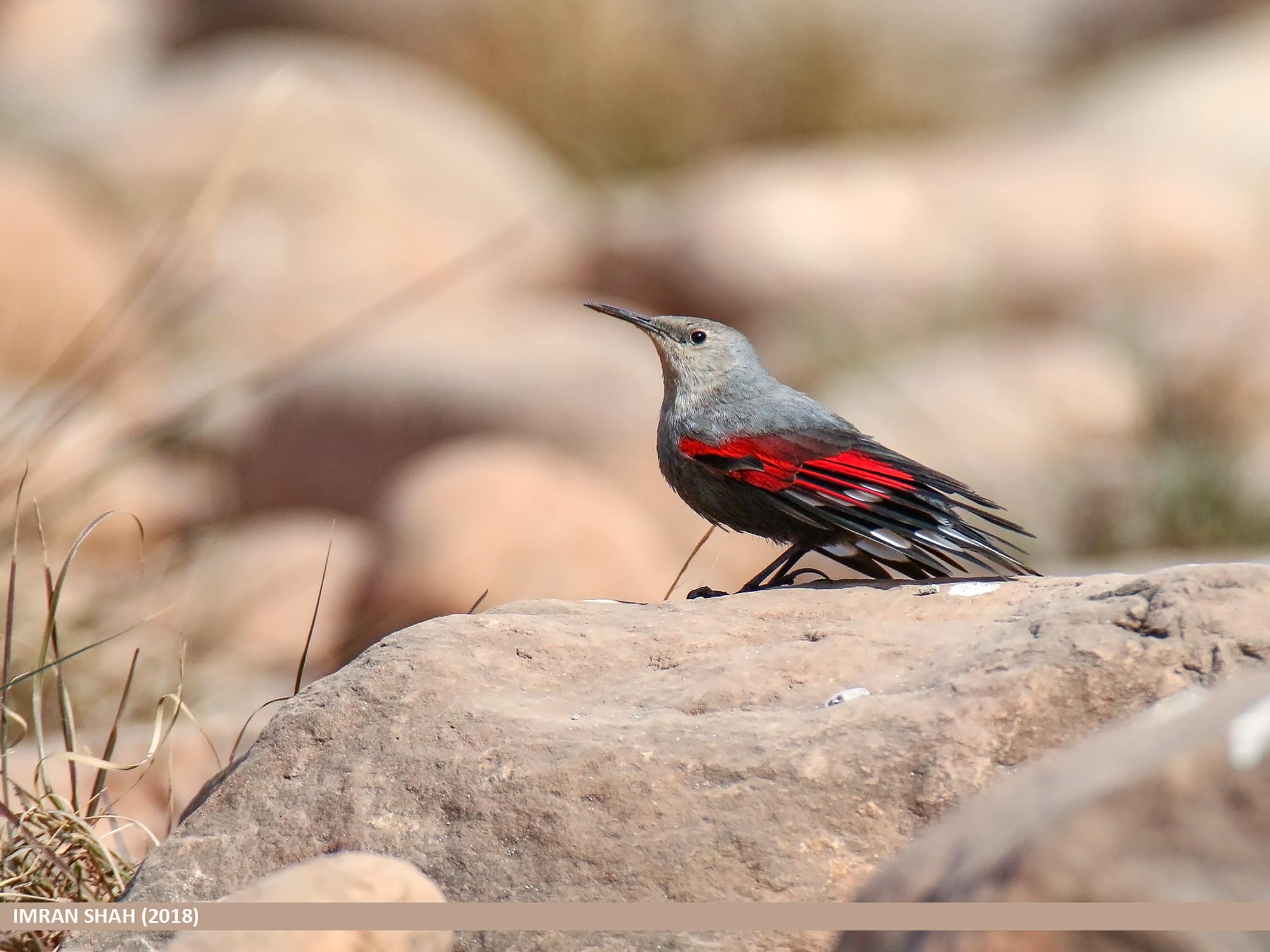
Corbett is rightly one of India’s premier wildlife destinations. A spectacular landscape, it is especially famous for sightings of Tiger and Asian Elephants. Apart from big cats and other large mammals, the mountains and the foothills harbour diverse avifauna, such as Ibisbill, Lesser Fish Eagle, Tawny Fish Owl, Great Slaty Woodpecker, Wallcreeper and Himalayan Rubythroat. The scenic combination of hills, Sal forests and the terai landscape offer a variety of habitats for birds, and at least 512 species, including migrants and residents, have been reliably recorded in and around Corbett.
Read our detailed article about birds and birding in Corbett Tiger Reserve.
Just three hours’ drive away and the habitat, and birdlife, changes drastically as we get our first views of the mighty Himalayas. Pangot is a small hamlet in Uttarakhand near Nainital, and we will stay at Jungle Lore, India’s first and foremost birding lodge. The oak, pine and rhododendron forests here have excellent birding, including such desirable targets as Cheer and Koklass Pheasants, Bearded Vulture, Upland Pipit and Grey-crowned Prinia. Commoner birds here, and at nearby Sattal where we will spend two nights, include Red-billed Blue Magpie, Himalayan and Rufous-bellied Woodpeckers, Slaty-headed Parakeet, Himalayan Bluetail, Blue-capped Redstart, Rufous-bellied Niltava, Blue-winged Minla, Green-tailed Sunbird, and White-throated and White-crested Laughingthrushes.
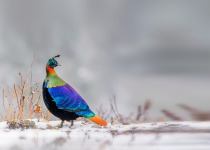
From Sattal we head north, with an overnight stay at the peaceful Van Serai, in the midst of deodar pine forests between the two sets of ancient Shiva temples at the quaint pilgrimage town of Jageshwar. Many travellers rest a while here where the calm provides a revitalising energy, but we make our move onwards, and upwards, to the mountain gem of Munsiyari. Probably the closest you can get to experience the Greater Himalayas, this is the access point to one of India’s highest mountains: Nanda Devi East at 7,434m. At this altitude the birdlife changes considerably, and here we should find our first Himalayan Monals, one of the world’s most spectacularly coloured birds. More effort will be required for our top target here though, the amazing Satyr Tragopan.
This Bubo Birding itinerary is available through BirdWatch.info as a private or custom departure. Current dates, exact routing, accommodation and final price should be confirmed after inquiry.
Itinerary ▼
Depart from London Heathrow on BA0257 at 19:35.
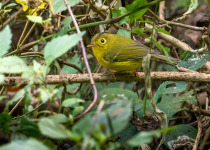
Bengal Bush Lark Land in Delhi at 08:20. You will be met and transferred to the hotel in Noida. Afternoon birding at Surajpur Wetlands. The mosaic of habitats here, including shallow wetlands, reedbeds and grassland patches, right on the outskirts of the city, will produce an excellent bird list. We will hope for Bengal Bush Lark, Striated Babbler, Red Avadavat, and Black-breasted Weaver, with many other wetland species. Unfortunately, we will be too early in the season for Surajpur’s famous breeding Bristled Grassbirds.
Haiderpur wetland is a fantastic large area which is little-visited by birders but has become well-known by locals in recent years. Although Indian Skimmer and Black-bellied Tern have been seen, our chances at this time of year are slim, but it should be excellent for a large variety of late wintering waterbirds and other migrants.
Ibisbill © Albin Jacob After the morning’s birding at Haiderpur we head to one of the most scenic reserves in India, Corbett Tiger Reserve and National Park. Check in at Tiger Camp and, after lunch, we will explore the river edge at Kumeria in the afternoon for a variety of birds, including the possibility of both Tawny and Brown Fish Owls, Asian Barred Owlet, Plumbeous Water and White-capped Redstarts, Brown Dipper, Wallcreeper and three possible species of forktails. With luck, an Ibisbill will be wintering here.
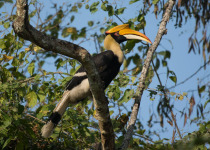
Lesser Fish Eagle A hunting-turned-conservation story, Corbett National Park has a bird species list approximately the same as Britain and Ireland! Some of the more interesting species include Pallas’s and Lesser Fish Eagle, Cinereous Vulture, Tawny Fish Owl, Great Slaty Woodpecker, Ibisbill, Wallcreeper, Hodgson’s Bushchat, Rosy Minivet and Himalayan Rubythroat. The two full days will be a combination of jeep safaris inside Corbett National Park, in either the Jhirna or Bijrani ranges, with birdwatching walks on the outskirts of the park, along the Kosi River and Mohan and Kumeria forests. Great Hornbill © Sagar In the winter many species from high altitudes descend to these lower elevations—Ibisbill is a prime example. Blue-capped and White-capped Redstarts, Spotted and Little Forktails, and Brown Dipper, are also likely along the river. The Sal forests of the park itself are the habitats for Great and Oriental Pied Hornbills, Red-billed Blue Magpie, several woodpeckers, Kalij Pheasants, green-pigeons (including Wedge-tailed, Yellow-footed, and the scarcer Pin-tailed and Orange-breasted), laughingthrushes (White-crested, White-throated and Streaked), and the beautiful Long-tailed Broadbill.
After a morning birding session outside the park, we check out and proceed to Pangot, with birding stops en route for our first true Himalayan species such as Himalayan Bulbul, Red-billed Blue Magpie, Chestnut-bellied Rock Thrush, and Blue Whistling Thrush. We arrive in Pangot for a late lunch and afternoon birding around the lodge.
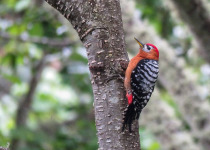
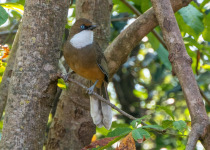
Rufous-bellied Woodpecker © Dombe Pradhan From Jungle Lore, India’s first and foremost birding lodge, in Pangot, we will take a variety of local walks through the oak, pine and rhododendron forests. A packed breakfast will be taken with us on our easy paced trek to Kilbury, where we will encounter an excellent selection of Himalayan species, including Bearded and Himalayan Vultures, Kalij Pheasant, Blue-winged Minla, Spotted and Slaty-backed Forktails, Rufous-bellied Woodpecker, Rufous-bellied Niltava, and Red-billed Blue Magpie. The numerous perennial and seasonal creeks in this area are home to an amazing variety of flora and fauna, and with luck we may come across some of these, including Leopard, Himalayan Palm Civet, Yellow-throated Marten, Ghoral, Sambar and Barking Deer. After lunch at the lodge, we will probably check lower altitudes for a greater variety of birds. White-throated Laughingthrush Other birds we hope to see in and around Pangot included both Cheer and Koklass Pheasants, Crested Serpent Eagle, Mountain Hawk-Eagle, various woodpeckers including Brown-fronted and Himalayan, thrushes such as Black-throated and Mistle, warblers such as Tickell’s Leaf, Greenish, Whistler’s, and Grey-hooded, flycatchers such as Asian Brown, Ultramarine, and Verditer, laughingthrushes such as White-throated, Striated, Streaked, and Chestnut-crowned, accentors, Upland Pipit, Blue-winged Minla, Whiskered Yuhina, Slaty-headed and Red-breasted Parakeets, Long-tailed and Grey-backed Shrikes, Chestnut-bellied Rock Thrush, Himalayan Bluetail, Blue-capped Redstart, and Himalayan Prinia. One true rarity here is Grey-crowned Prinia, rarely seen anywhere else in India. We will also visit nearby Baggar and Gughu Kham where, as well as the birds mentioned above, we may find Brown Fish Owl, Brown Wood Owl, and Long-billed Thrush.
Nearby Sattal is bounded by lush green hills and freshwater lakes, with similar bird life and excellent photographic opportunities, and we will have a couple of days birding in the area.
Lesser Yellownape Particular efforts whilst birding around Sattal will be made to see the secretive Rufous-throated and Common Hill Partridges. We can also expect to see Green-tailed Sunbird, Eurasian Griffon, Red-billed Blue Magpie, Grey-capped Pygmy Woodpecker, Lesser Yellownape, Blue-throated and Golden-throated Barbets, Slaty-headed Parakeet, Rufous-gorgeted Flycatcher, Red-billed Leothrix, Rufous-chinned Laughingthrush, Ashy and Mountain Bulbuls, and Golden Bush Robin for example. For photographers there will be an opportunity to spend some time in a local hide, where many of these species present super close photographic opportunities.
The spiritual hamlet of Jageshwar is famous for its ancient 8-12th century Shiva temples. One of just 12 Jyotirlingas in the country, Jageshwar lies in a beautiful narrow valley hedged by ancient deodars. If we can take a break from birding (unlikely!) we can enjoy a spiritual relaxation amongst the exquisite temple ruins, beautiful Himalayan vistas, and gurgling stream nearby, and the very comfortable Van Serai, the Himalayan Spiritual Lodge.
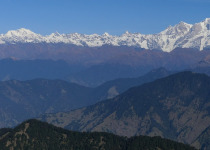
After breakfast we drive to Munsiyari, where we will spent the next four nights. Sometimes known as “Little Kashmir”, Munsiyari is a cozy hamlet at an altitude of 2,298 metres, known for its panorama of the snow-capped Himalayan Range, including Panchachuli (the five peaks), Nanda Devi and Nanda Kot. Near the borders of India, Tibet, and Nepal, it is a base for three glaciers—Namik, Milam and Ralam— and the Johar Valley which was an ancient trade route between Tibet and India.
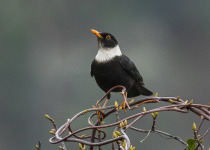
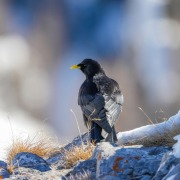
White-collared Blackbird © Francesco Veronesi Three days in Munsiyari allows us time to explore the area, such as the Gori River, Balanti Farms, the Alpine Meadows, Kala Muni and Khalia Top. Our main target here will be the stunning Satyr Tragopan, not easily seen anywhere in India. Other special birds may include Himalayan Monal, Koklass and Cheer Pheasants, Chukar, Spotted Laughingthrush, White-collared Blackbird, Alpine Thrush, Black-throated Accentor, and Spot-winged Rosefinch, whilst we are very likely to come across Snow Pigeon, Bearded Vulture, Himalayan Griffon, Streak-throated and Rufous-bellied Woodpeckers, Spotted Forktail, Chestnut-headed Tesia, Golden Bush Robin, Rufous-gorgeted and Ultramarine Flycatchers, Variegated and Streaked Laughingthrushes, Red-headed Bullfinch, Red-fronted Serin and much more.
After some morning birding, we check out and proceed about 6.5 hours to Kausani.
After an early breakfast and more of one of the Himalayas most spectacular vistas, we leave Kausani for Chopta. The road runs along the Ganga and Alaknanda Rivers before turning into the Mandakini valley in Rudraprayag. Himalayan Monal Chopta in the Kedarnath Wildlife Sanctuary provides some excellent winter and spring birding, and fantastic landscapes. A mix of pine and deodar forest with rhododendrons, amidst lush ‘bugyals’ or grassy meadows, it is probably the best and most easily accessible place in India to see the stunning ‘nine-coloured’ state bird of Uttarakhand, the Himalayan Monal. Of course, we should have managed to see some at Munsiyari, but this is one bird that you can never tire of!
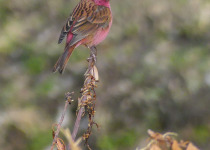
We will be based at the Magpie Jungle Camp and have a flexible plan in Kedarnath, as birding here can vary considerably with weather and altitude. If it has been snowing heavily in the higher Himalayas, then many birds may have been forced to the lower levels, c1,500m, around the village of Mandal to the east. Here, and in one or two other localities in the area, are rock bee colonies that are often frequented by Yellow-rumped Honeyguide. Pink-browed Rosefinch Most of the easily accessible areas from our base are roughly at 2,000 m, which tends to have the greatest diversity of birds. The highlight of birding at Chopta though may well be ascending to the Tungnath temple at about 3,700 m. Although not difficult, this is a steep trek, and we may decide to cheat and take advantage of a pony ride to the top before walking down! This would help us get to the higher reaches earlier, where we may be lucky to find a covey of Snow Partridges before they are disturbed by other trekkers.
After some morning’s birding we have a long drive today and will especially welcome the luxurious surroundings of Walterre, our accommodation for our last night. A little bit of birding en-route has an outside chance of encountering the magical Spectacled Finch, an occasional winterer in this area. Should we find any, your leader promises that he will be buying drinks for everyone tonight!
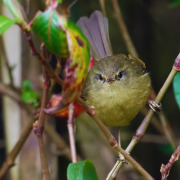
Whistler’s Warbler Some birding in the Doon Valley will be the morning’s plan before we start the final leg back to Delhi of what will have been an amazing tour. We may even finish with the classic tour ending of sitting drinking a cup of tea on the veranda whilst watching a Nepal Wren-babbler hopping amongst the flowerpots of Walterre’s beautiful gardens!
Depart from Delhi on BA0142 at 01:50, landing at London Heathrow at 06:40. Or why not extend another week and join us for more amazing scenery, culture and birds on our Kashmir Specialities tour?
Locations & map
- Uttarakhand - Uttarakhand India (Conditions vary by season and exact route.)
Included
- Experienced local birding guide support - Exact guide assignment to confirm.
- Tour services described in the confirmed itinerary - Final inclusions are set in the operator quotation.
Not included
- International flights - Not included.
- Visa, travel insurance and personal expenses - Traveller responsibility.
Transport & stays
- Private ground transport and domestic connections Exact vehicle, flight and transfer plan to confirm for the chosen itinerary. | Pickup: Airport or hotel pickup where included in the confirmed plan.
Policies & FAQ
Can this tour be arranged privately?
Yes. Bubo Birding states that its published itineraries can be arranged as private trips, with dates and details tailored to the group.
Are the price and itinerary final?
No. Current availability, group assumptions, accommodation, exact routing and the final quotation should be confirmed after sending an inquiry through BirdWatch.info.