
Angola Birding with Nature Travel Birding
Angola is one of Africa’s most rewarding and least explored birding destinations, with 960 recorded bird species, 13 true endemics and many localized specialties across an extraordinary range of habitats. From dramatic escarpments and highland forests to vast savannas and coastal plains, this carefully planned journey offers exceptional birding in spectacular scenery. A rare opportunity to experience one of the continent’s richest and most exclusive birding frontiers.
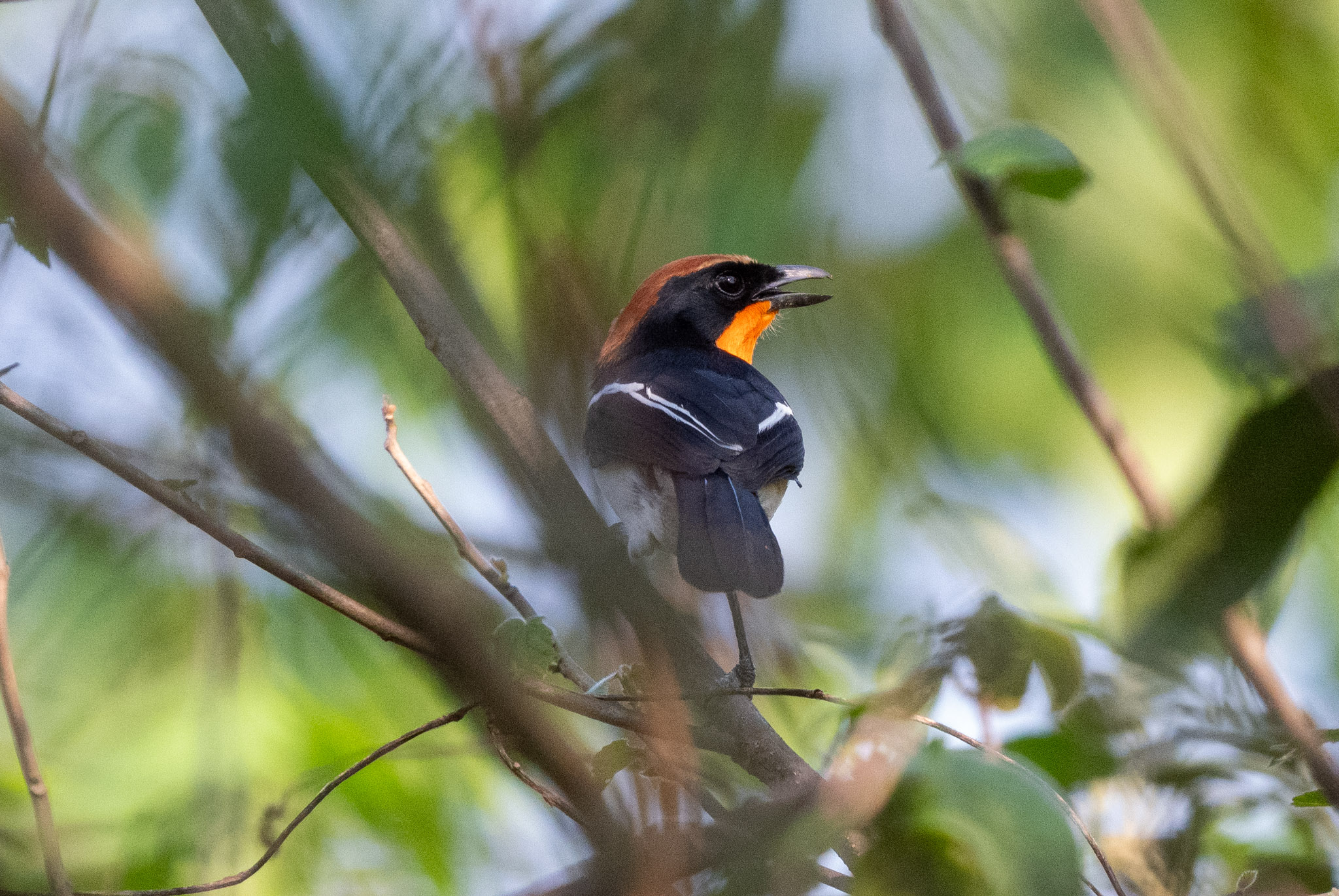


About this tour
Angola is one of Africa’s last great birding frontiers, offering an extraordinary combination of spectacular scenery, remarkable biodiversity and some of the continent’s rarest birds. This carefully designed journey explores a wide variety of habitats, from lush escarpment forests and swamp forests to miombo woodland, montane grasslands, baobab savannas and the ancient Namib Desert.
The northern escarpment forests around Uíge, Quitexe and Damengola provide an outstanding introduction to Angola’s rich birdlife. These forests hold sought-after species including Braun's Bushshrike (E), Red-crested Turaco (E), African Piculet, Great Blue Turaco, Chocolate-backed Kingfisher, Black Bee-eater and a remarkable diversity of forest hornbills, barbets, greenbuls, flycatchers and sunbirds. The surrounding grasslands add further variety with species adapted to more open habitats.
The swamp forests and woodlands of the Kinjila region offer one of Angola’s most exciting birding experiences. Here, efforts focus on the rediscovered White-headed Robin-Chat alongside Ross's Turaco, Anchieta's Barbet, Sharp-tailed Starling, Black-throated Wattle-eye, Pale-billed Hornbill and several miombo specialists. This little-visited region delivers exceptional birding in pristine habitats rarely explored by international visitors.
The baobab woodlands and riverine forests of the Cuanza River and Kissama region are home to several of Angola’s most celebrated endemic birds. Key targets include Gabela Helmetshrike (E), Monteiro's Bushshrike (E), Hartlaub's Camaroptera (E), Grey-striped Francolin (E), Rufous-tailed Palm Thrush (E) and White-fronted Wattle-eye (E), while raptors, bee-eaters, kingfishers, hornbills and colourful woodland passerines complete an outstanding birding experience.
Kumbira Forest represents one of Africa’s most important endemic bird areas and offers a rare opportunity to search for three globally Endangered species: Gabela Bushshrike (E), Pulitzer's Longbill (E) and Gabela Akalat (E). Additional highlights include Angolan Naked-faced Barbet (E), Southern Hyliota, African Broadbill, Yellow-throated Nicator and Red-crested Turaco (E), making this one of the continent’s premier forest birding destinations.
The highlands of Mount Namba and Mount Moco introduce a completely different birding experience across Angola’s highest mountains. Ancient Afromontane forests, montane grasslands and miombo woodland support a remarkable collection of endemic and localized species, including Swierstra's Spurfowl (E), Angola Slaty Flycatcher (E), Angola Waxbill (E), Huambo Cisticola (E), Angola Lark (E), Margaret's Batis, Laura's Woodland Warbler and Bocage's Akalat. These pristine mountain habitats rank among the finest birding locations in southern Africa.
Further south, the dramatic escarpments of Tundavala and the Humpata Plateau combine breathtaking scenery with outstanding birding. The region is renowned for Angola Cave Chat (E), White-bellied Barbet (E), Angolan Swee Waxbill (E), Swierstra's Spurfowl (E), Freckled Nightjar, Bradfield's Swift and Short-toed Rock Thrush. Descending the spectacular Leba Pass reveals an entirely different suite of escarpment and desert species as habitats transition towards the coastal plain.
The final stage explores the vast Namib Desert and surrounding arid landscapes, where highly specialized desert birds thrive. Highlights include Benguela Long-billed Lark (E), Rüppell's Korhaan, Cinderella Waxbill, Crimson-breasted Shrike, Tractrac Chat, Karoo Chat, Pale Chanting Goshawk and Ludwig's Bustard. The dramatic desert scenery provides a fitting conclusion to an exceptional birding journey across one of Africa’s most rewarding and least explored destinations.
Birds you can spot
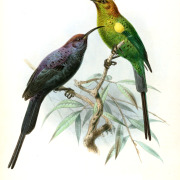
Nectarinia bocagii
target
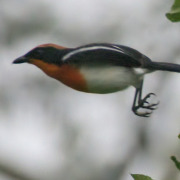
Laniarius brauni
target
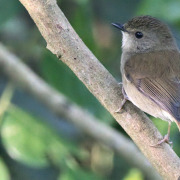
Sheppardia gabela
target
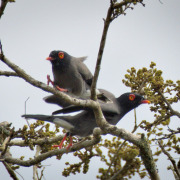
Prionops gabela
target
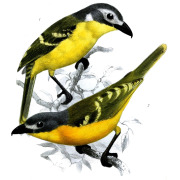
Malaconotus monteiri
target
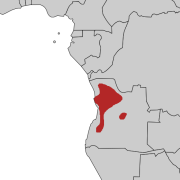
Tauraco erythrolophus
target

Platysteira albifrons
target
Itinerary ▼
After arriving in Luanda, you will be met by your Nature Travel birding guide before setting off on the journey north towards the remote forests of Uíge. Leaving the capital behind, the route passes through changing landscapes that offer a fascinating introduction to Angola’s diverse scenery, culture and bird-life. Regular birding stops along the way provide excellent opportunities to begin building an impressive trip list while enjoying the anticipation of the forests that lie ahead.
Birding focuses on woodland edges, open country and wetlands, where early highlights may include Angola Swallow (E), Long-crested Eagle, African Harrier-Hawk, Red-necked Buzzard, Cassin's Flycatcher, Yellow-mantled Weaver and African Darter. The combination of scenic travel, productive roadside birding and ever-changing habitats makes for a rewarding start to this exclusive exploration of one of Africa’s finest birding destinations.
Today is dedicated to exploring the remarkable Damengola Forest and the northern escarpment forests near Quitexe, one of Angola’s premier birding regions where the avifauna of Central Africa and the Guinea forests meets. Quiet walks along forest trails, birding from forest edges and scanning the surrounding grassy hills provide exceptional opportunities to search for some of the country's most sought-after birds. This rich mosaic of mature forest, woodland and open grassland promises a rewarding day in one of Africa’s finest and least-visited birding destinations.
The star attraction is the highly localized Braun's Bushshrike (E), one of Angola’s most coveted endemic birds. Other key targets include Chocolate-backed Kingfisher, Black Bee-eater, Red-crested Turaco (E), Great Blue Turaco, African Piculet, Blue-headed Crested Flycatcher, Yellow Longbill, Black-bellied Seedcracker, Afep, Western Bronze-naped Pigeon and Black-casqued Hornbill. Fruiting trees often attract Splendid, Chestnut-winged and Narrow-tailed Starlings, while the forest canopy supports Red-fronted Parrot, Blue-throated Roller and Yellow-crested Woodpecker.
The forest understorey and mixed feeding flocks reveal an impressive diversity of species, including Angolan Batis, Chestnut Wattle-eye, Bocage's Bushshrike, Black-and-white Shrike-flycatcher, Rufous-vented Paradise Flycatcher, Velvet-mantled Drongo, Yellow-throated Nicator, Forest Scrub Robin, Brown Illadopsis, Grey-throated Tit-Flycatcher, Red-tailed Bristlebill and several greenbuls, malimbes, barbets and sunbirds. Species such as African Emerald Cuckoo, Blue Malkoha, African Pygmy Kingfisher and Buff-spotted Woodpecker add further variety throughout the day.
The surrounding rolling grasslands complement the forest birding with a different suite of species. Here, attention turns to Black-collared Bulbul alongside Brown Twinspot, Landana Firefinch, Orange-cheeked Waxbill, Chattering Cisticola, Moustached Grass Warbler, African Yellow Warbler, Black-winged Red Bishop, Yellow-mantled Widowbird, Northern Fiscal and Brown-backed Scrub Robin. Patient birding may also produce scarce species such as Woodhouse's Antpecker, Yellow-throated Cuckoo, Forest Swallow, African Shrike-flycatcher, Red-rumped Tinkerbird, Pale-fronted Nigrita and Scaly-breasted Illadopsis, bringing an unforgettable day in Angola’s spectacular northern escarpment forests to a close.
Today is spent exploring the exceptional swamp forests and wetlands around Kinjila and Calandula with a knowledgeable local guide. Slow-paced birding along forest trails, through damp woodland and around swamp edges offers the best chance of finding one of Angola’s greatest birding prizes. These little-visited forests are among the country's most rewarding habitats, supporting a remarkable collection of localized Central African species in a peaceful and unspoilt setting.
The primary objective is the remarkable White-headed Robin-Chat, a highly localized bird that was thought to be extinct until its rediscovery in the 1990s. Other highlights include White-spotted Flufftail, Ross's Turaco, Grey-winged Robin-Chat, Black-throated Wattle-eye, Cabanis's Greenbul, Honeyguide Greenbul, Brown-headed Apalis, Olive Long-tailed Cuckoo and Scaly-throated Honeyguide. Every section of forest offers fresh opportunities, making this one of the most memorable birding days of the tour.
A second day in the Kinjila region allows time to explore the surrounding miombo woodland and forest edge, where a different selection of sought-after species awaits. Birding quiet tracks and mature woodland provides excellent opportunities to search for species that can easily be missed on a single visit, while enjoying the spectacular scenery of this little-explored corner of Angola.
Key targets include Anchieta's Barbet, one of the area's signature species, together with Sharp-tailed Starling, Pale-billed Hornbill, Anchieta's Sunbird, Rufous-bellied Tit, Miombo Scrub Robin, Thick-billed Cuckoo, Western Violet-backed Sunbird and Red-throated Cliff Swallow. The diversity of habitats and relaxed pace of birding make this a rewarding conclusion to the Kinjila experience before continuing south to the next exciting birding region.
Today the journey continues to the Muxima region in the southeastern corner of Kissama National Park, where extensive baobab woodland, dry riverbeds and dense thickets create one of Angola’s finest birding areas. The day is spent exploring these diverse habitats in search of several of the country's most sought-after endemic birds, while enjoying the dramatic scenery and excellent woodland birding that make this region so special.
Key targets include the localized Gabela Helmetshrike (E), Monteiro's Bushshrike (E), Hartlaub's Camaroptera (E), Grey-striped Francolin (E), White-fronted Wattle-eye (E) and the endemic Rufous-tailed Palm Thrush (E). Other highlights may include Red-backed Mousebird, Golden-backed Bishop, Pale-olive Greenbul, Böhm's Spinetail, Mottled Spinetail, Bateleur, Palm-nut Vulture, Brown Snake Eagle and African Goshawk. The impressive baobabs also provide excellent opportunities to observe Mosque Swallow and a variety of woodland birds throughout the day.
A full day is devoted to birding the riverine forest, mature woodland and open savanna surrounding the Cuanza River. Walking quiet tracks and exploring the woodland edge reveals an outstanding diversity of species, with every stop offering fresh opportunities in one of Angola’s richest birding regions.
Attention focuses on species associated with the riverine forest, including Angolan Batis, Swamp Boubou, Forest Scrub Robin, Green Crombec, Dark-backed Weaver and Black-headed Oriole. Other notable birds include White-crested Helmetshrike, Orange-breasted Bushshrike, Brubru, Yellow-bellied Greenbul, Violet-backed Starling, Arrow-marked Babbler, Grey Tit-Flycatcher and Long-billed Crombec. The surrounding woodland adds Grey Go-away-bird, Crowned Hornbill, Swallow-tailed Bee-eater, Green Wood Hoopoe, Brown-hooded Kingfisher, Striped Kingfisher, Lilac-breasted Roller, Namaqua Dove, Emerald-spotted Wood Dove and Bearded, Cardinal and Golden-tailed Woodpeckers, bringing another memorable day of birding in this remarkable part of Angola to a close.
Today is dedicated to birding the renowned Kumbira Forest, one of Angola’s most important birding sites and the stronghold of several globally threatened endemic species. Quiet forest trails, dense undergrowth and towering canopy create ideal conditions for a rewarding day of birding as you search this remarkable escarpment forest for some of Africa’s most sought-after birds.
The main focus is on locating Pulitzer's Longbill (E), Gabela Akalat (E) and the increasingly scarce Gabela Bushshrike (E). Along the way, other forest highlights may include Red-crested Turaco (E), Yellow-throated Nicator, Dusky Tit, Southern Hyliota, African Broadbill, Hartert's Camaroptera, Yellow-bellied Wattle-eye and Yellow-necked Greenbul, making for an unforgettable introduction to this exceptional birding hotspot.
A second day in Kumbira allows time to explore different sections of this species-rich forest, increasing the chances of finding its localized specialties. Birding through mature forest and along quiet woodland tracks provides excellent opportunities to enjoy mixed feeding flocks and observe the rich diversity of Angola’s central escarpment.
Attention turns to species including Angolan Naked-faced Barbet (E), Gorgeous Bushshrike, Trumpeter Hornbill, Blue-headed Crested Flycatcher, Forest Scrub Robin, Superb Sunbird, Brown Illadopsis, Pale-olive Greenbul and Pink-footed Puffback. Every walk through the forest reveals new birding opportunities, with each habitat supporting its own unique collection of species.
The final morning in Kumbira provides another opportunity to search for any missed targets before leaving this remarkable forest. Patient birding along shaded trails and forest edges often rewards visitors with fresh sightings, while the peaceful surroundings offer one last chance to appreciate one of Angola’s most celebrated endemic birding destinations.
Key species for the day include Black-faced Canary, Grey Waxbill, Yellow-throated Nicator, Hartert's Camaroptera, Yellow-bellied Wattle-eye, Southern Hyliota and Red-crested Turaco (E), while further efforts continue for Gabela Bushshrike (E), Pulitzer's Longbill (E) and Gabela Akalat (E). Departing Kumbira, you leave behind one of Africa’s finest escarpment forests and an extraordinary collection of endemic birds.
Leaving Kumbira behind, the journey heads towards the remote Mount Namba region, one of Angola’s least-explored birding destinations. The route passes through spectacular escarpment scenery before reaching pristine Afromontane forest and well-preserved miombo woodland. Birding focuses on quiet forest trails and woodland edges, where these isolated habitats support an exceptional collection of endemic and range-restricted birds found in few other places.
The higher-elevation forests provide the first opportunity to search for Swierstra's Spurfowl (E), Angola Slaty Flycatcher (E) and Angola Waxbill (E). Other important targets include Laura's Woodland Warbler, Margaret's Batis, Bocage's Akalat, African Hill Babbler and Western Tinkerbird. In the surrounding miombo woodland, mixed feeding flocks may reveal Anchieta's Sunbird, Miombo Tit, Green-capped Eremomela, Rufous-bellied Tit, African Spotted Creeper, Black-necked Eremomela and White-breasted Cuckooshrike. Additional highlights may include Miombo Rock Thrush, Yellow-bellied Hyliota, Miombo Scrub Robin, Souza's Shrike and Wood Pipit, making this an outstanding introduction to Angola's remarkable highland birdlife.
Today is devoted to exploring Mount Moco, Angola’s highest mountain and one of the country’s most celebrated birding destinations. An early start allows time to explore Afromontane forest, forest edge, montane grassland and rocky slopes, each supporting its own unique bird-life. Gentle walks through these pristine highland habitats provide excellent opportunities to search for several endemic and range-restricted species while enjoying spectacular views across the surrounding mountains.
The forests hold some of Angola’s most sought-after birds, including Swierstra's Spurfowl (E), Margaret's Batis, Bocage's Akalat, Schalow's Turaco, White-tailed Blue Flycatcher, African Hill Babbler, Olive Woodpecker, Ludwig's Double-collared Sunbird, Grey Apalis, Evergreen Forest Warbler, Thick-billed Seedeater, Western Green Tinkerbird and Western Black-backed Barbet. Careful birding along the forest trails offers the best chance of encountering these highland specialists.
Forest margins, grasslands and rocky outcrops add another exciting dimension to the day. Key targets include Huambo Cisticola (E), Angolan Swee Waxbill (E), Angola Lark (E), Dusky Twinspot, Black-throated Wattle-eye, African Spotted Creeper, Yellow-throated Leaflove, Oustalet's Sunbird, Bronzy Sunbird, Red-throated Wryneck, Black-chinned Weaver, Horus Swift, Capped Wheatear, Broad-tailed Warbler, Wing-snapping Cisticola, Striped Pipit and the elusive Finsch's Francolin. Mount Moco offers a fitting highlight of Angola’s remarkable highland birding experience.
A final morning at Mount Moco provides another opportunity to explore the mountain's lower slopes, where forest edge, montane grassland and woodland habitats often reveal species missed the previous day. Relaxed birding along quiet trails allows time to refine the trip list while enjoying one last visit to one of Angola's premier birding locations before continuing south through ever-changing landscapes towards Lubango.
After arriving in the Lubango region, birding shifts to the rugged escarpments, rocky hillsides and arid savanna that mark the northern edge of the Namib Escarpment. This distinctive habitat supports a fascinating mix of southern African specialties and offers excellent birding against a backdrop of spectacular scenery. Key targets include Hartlaub's Spurfowl, Monteiro's Hornbill, Rüppell's Parrot, Bare-cheeked Babbler, White-tailed Shrike, Pririt Batis, Carp's Tit and Cape Penduline Tit. The combination of productive birding and dramatic landscapes provides a memorable introduction to the highlands surrounding Lubango and sets the stage for the exceptional birding awaiting at Tundavala.
Availability & pricing
Price: Price on request
Included
- Expert bird guiding by Nature Travel Birding
- Private transportation for all transfers and excursions as per itinerary
- Accommodations on a twin/double basis as per itinerary
- All meals from Lunch on Day 1 to Lunch on Day 17
Transport & stays
- Tour vehicle / internal transfers Transport arrangements to be confirmed from the current itinerary. | Meet: Luanda | Pickup: Airport or first lodge pickup to be confirmed.
Policies & FAQ
Are these dates guaranteed?
These are review-draft dates copied from the public Nature Travel Birding upcoming tours page and will be confirmed after enquiry before booking.
How do enquiries work?
Use the BirdWatch enquiry form. BirdWatch will forward your request to Nature Travel Birding / Marc Cronje so the current route, availability, price and inclusions can be confirmed.